Oil-Immersed Transformers: Structure And Features
May 09, 2026
1. Structure
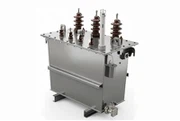
The oil-immersed transformer is composed of four core systems: main body, cooling, protection, and insulation, which work together to ensure stable operation.
1. Core Components
◦ Core: Made of stacked high-permeability silicon steel sheets, providing a low-reluctance path for magnetic flux and reducing no-load losses.
◦ Windings: Wound with insulated copper or aluminum conductors, divided into primary and secondary windings to perform voltage transformation. The entire assembly is immersed in transformer oil.
◦ Tank: A hermetically sealed steel container that holds the transformer oil, core, and windings, while protecting internal components from environmental damage.
2. Cooling System
◦ Transformer Oil: Acts as both an insulator and coolant. It absorbs heat from the core and windings and transfers it to the tank walls and radiators through convection.
◦ Radiators/Fin Tubes: Mounted on the tank wall to increase the heat dissipation area. Large-capacity units may be equipped with cooling fans for forced air cooling.
◦ Oil Conservator: Located on top of the tank and connected by a pipe, it accommodates the expansion and contraction of transformer oil due to temperature changes. It also reduces oil exposure to air to slow down oil degradation.
3. Insulation and Protection Components
◦ HV Bushings: Porcelain or polymer-insulated components that provide a safe path for high-voltage conductors to exit the tank while maintaining electrical isolation between live parts and the grounded tank.
◦ Buchholz Relay: Installed on the connecting pipe between the tank and conservator, it detects gas buildup or sudden oil flow caused by internal faults, triggering alarms or tripping.
◦ Pressure Relief Valve: Mounted on the tank top to release excess pressure automatically in the event of an internal fault, preventing tank rupture.
◦ Temperature and Oil Level Monitors: Including oil level gauges and thermometers, they monitor the operating status in real time to prevent overheating or low-oil operation.
2. Core Features
1. Excellent Insulation and Cooling Performance
Transformer oil has high dielectric strength and thermal conductivity. It prevents short circuits between windings, core, and tank, while efficiently dissipating heat generated during operation. Its cooling performance is far superior to that of dry-type transformers, especially for high-power and high-load applications.
2. High Reliability and Long Service Life
The sealed oil-filled environment isolates moisture, dust, and oxygen, slowing down the oxidation and corrosion of internal components. With proper maintenance, oil-immersed transformers can operate reliably for 20–30 years, adapting to harsh outdoor and industrial conditions.
3. Cost-Effectiveness and Wide Applicability
Compared with dry-type transformers of the same capacity, oil-immersed transformers have lower upfront costs. They cover a wide range of capacities, from small distribution transformers to large power transformers, and are widely used in power grids, industrial facilities, commercial complexes, and renewable energy projects.
4. Strong Overload Capacity
Transformer oil has high heat capacity, allowing the transformer to withstand short-term overloads without significant performance degradation. This is critical for applications with fluctuating loads to maintain power supply stability.
5. Mature Maintenance System
The structure and maintenance technology of oil-immersed transformers are well-proven. Fault diagnosis and maintenance procedures are mature, spare parts are readily available, and operational costs are manageable.