Why Are Split-Winding Dry-Type Transformers Becoming A New Choice For Industrial Power Supply Upgrades?
May 25, 2026
In recent years, with the rapid development of renewable energy systems, data centers, urban rail transit, and high-end manufacturing industries, the requirements for power supply reliability, energy efficiency, and electrical safety have increased significantly. Against this backdrop, split-winding dry-type transformers have emerged as an important innovation in the field of power distribution equipment and are attracting growing attention from various industries.
According to industry observations, the split-winding dry-type transformer adopts a dual split-winding structural design. This configuration allows flexible load allocation and enables independent power supply to different circuits. In practical operation, such a design helps reduce line losses and improve the overall stability and reliability of the power distribution system. More importantly, when one load circuit encounters a fault or abnormal condition, the other circuit can continue operating normally, thereby significantly enhancing the continuity of power supply. This feature is particularly valuable in environments where uninterrupted electricity is critical.
Compared with traditional dry-type transformers, split-winding dry-type transformers demonstrate notable advantages in energy efficiency, operational safety, and maintenance convenience. One of their key characteristics is the use of environmentally friendly insulation materials and the elimination of transformer oil. As a result, the risk of oil leakage and fire hazards is effectively avoided, making the equipment safer and more suitable for densely populated or sensitive environments.
Experts in the power equipment industry point out that this type of transformer is especially well-suited for applications such as hospitals, commercial complexes, data centers, metro stations, airports, and high-rise buildings. These locations typically require high levels of operational safety and continuous power supply. In such scenarios, even brief power interruptions may lead to significant operational disruptions or economic losses. The split-winding design provides an additional layer of reliability that helps mitigate such risks.
In addition, under the global "dual carbon" goals aimed at reducing carbon emissions and achieving carbon neutrality, demand for green and energy-efficient electrical equipment continues to rise. Split-winding dry-type transformers align well with this trend due to their low energy losses, high efficiency, low noise operation, and environmentally friendly characteristics. These advantages not only support modern smart grid development but also help enterprises reduce long-term operational costs.
From a technical perspective, modern split-winding dry-type transformers are increasingly integrated with intelligent monitoring systems. These systems can track temperature, load conditions, and insulation performance in real time, enabling predictive maintenance and reducing the likelihood of unexpected failures. Such digital capabilities further enhance their value in smart infrastructure and industrial automation environments.
Market analysts believe that with the accelerated construction of new infrastructure projects and the continuous advancement of smart grid technologies, split-winding dry-type transformers are likely to play a more significant role in future power distribution systems. Their combination of safety, efficiency, and operational flexibility positions them as a strong candidate for widespread adoption in next-generation electrical networks.
At the same time, ongoing improvements in manufacturing processes and materials science are expected to further enhance the performance of these transformers. Advances in insulation technology, thermal management, and digital control systems will likely expand their application scenarios and improve overall lifecycle performance.
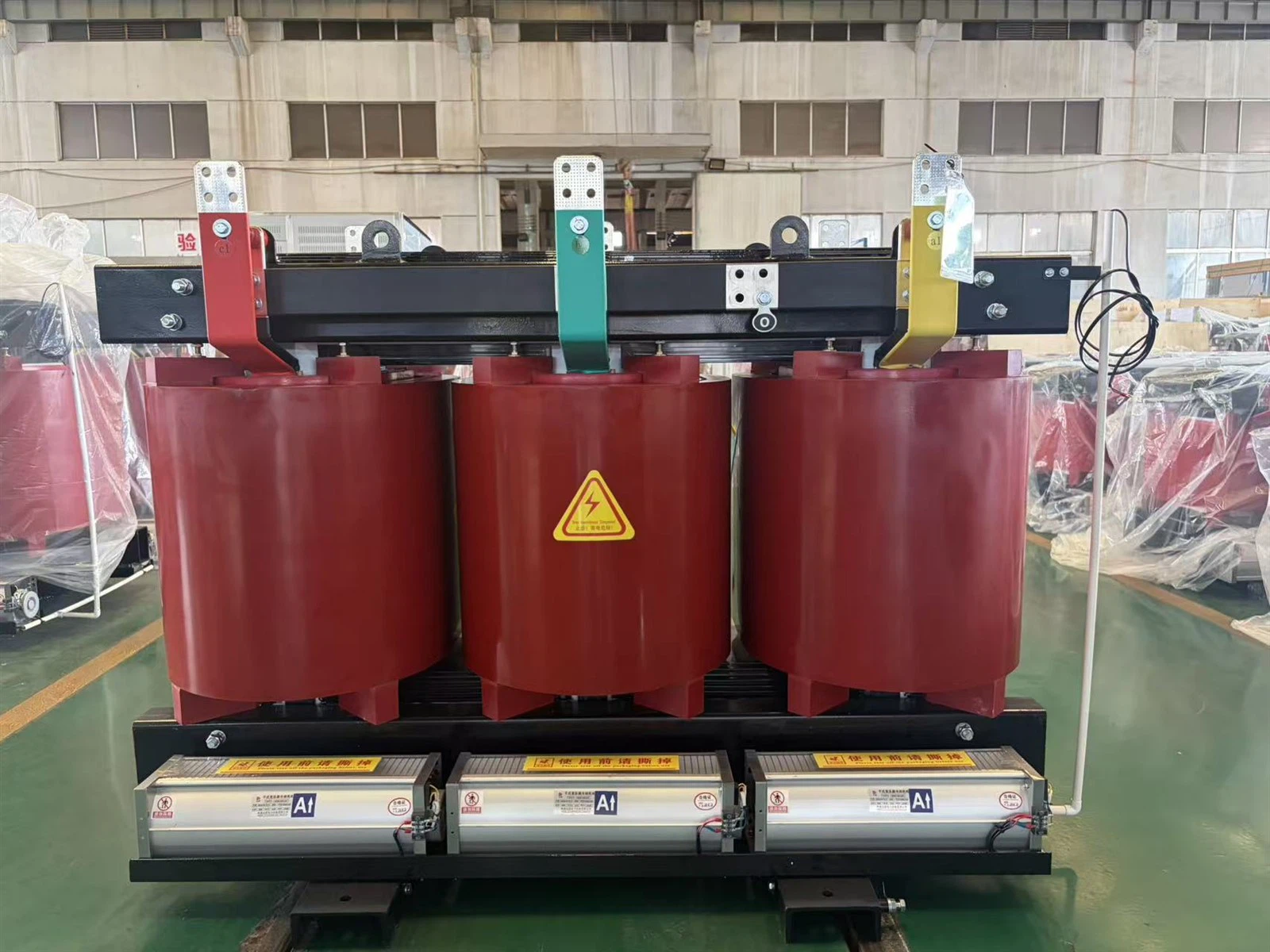
Looking ahead, split-winding dry-type transformers are expected to contribute more significantly to intelligent energy management, sustainable development, and resilient power infrastructure. As industries continue to prioritize reliability and environmental responsibility, these transformers may gradually become a mainstream solution in medium- and low-voltage distribution networks.
This raises an important question for the industry: will split-winding dry-type transformers become the dominant standard in next-generation power distribution systems? As technological progress continues and market adoption accelerates, the answer may emerge sooner than expected.