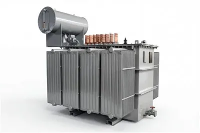
Why Is The 10kV Amorphous Alloy Dry-Type Transformer Becoming A Popular Choice For Energy-Saving Upgrades?
May 27, 2026
As countries around the world continue to pursue energy efficiency and carbon reduction goals, the demand for advanced power distribution equipment has been steadily increasing. Among the technologies attracting growing attention in the electrical industry is the 10kV amorphous alloy dry-type transformer. Once considered a specialized product for select applications, this transformer is now being widely adopted in industrial parks, commercial buildings, public infrastructure projects, and renewable energy installations. The question many industry observers are asking is: why has the 10kV amorphous alloy dry-type transformer become such a popular choice for energy-saving upgrades?
One of the primary reasons lies in its exceptional energy efficiency. Traditional transformers typically use silicon steel cores, which generate energy losses during operation, particularly when the transformer is energized but carrying little or no load. These no-load losses can accumulate significantly over the lifespan of the equipment. In contrast, amorphous alloy transformers utilize a special metallic material with a unique atomic structure that greatly reduces magnetic losses. As a result, no-load losses can be reduced by up to 70 percent compared to conventional transformers.
Industry experts note that reducing no-load losses is especially important in modern power distribution systems. Many facilities operate transformers continuously throughout the year, meaning even small improvements in efficiency can result in substantial energy savings over time. For large industrial parks or commercial complexes with multiple transformers, the cumulative reduction in electricity consumption can translate into considerable financial benefits.
Another major advantage of the 10kV amorphous alloy dry-type transformer is its environmental performance. Unlike oil-immersed transformers, dry-type transformers do not require insulating oil for cooling and insulation. This eliminates the risk of oil leakage, soil contamination, and environmental pollution. The absence of oil also significantly reduces fire hazards, making dry-type transformers particularly suitable for locations where safety is a top priority.
Hospitals, schools, subway stations, airports, shopping centers, and data centers are among the facilities increasingly choosing dry-type transformer technology. In these environments, equipment reliability and fire safety are critical considerations. The use of amorphous alloy dry-type transformers helps operators meet strict safety requirements while also supporting sustainability objectives.
The rise of renewable energy has further accelerated the adoption of these transformers. As solar photovoltaic systems, wind farms, and energy storage facilities become more common, electrical networks must handle increasingly complex power flows. Modern distribution equipment is expected not only to deliver electricity efficiently but also to maintain stable operation under varying load conditions.
The 10kV amorphous alloy dry-type transformer is well suited to these challenges. Its high efficiency and stable performance make it an attractive option for renewable energy projects, where minimizing energy losses is essential for maximizing overall system performance. In addition, many manufacturers are incorporating intelligent monitoring technologies into their transformer designs, allowing operators to track temperature, voltage, current, and other key parameters in real time.

Smart monitoring systems can provide early warnings of potential faults, helping maintenance teams address issues before they develop into major problems. This predictive maintenance capability improves reliability, reduces downtime, and lowers operating costs. As digitalization continues to transform the power industry, intelligent transformer solutions are expected to play an increasingly important role in modern electrical infrastructure.
Despite these advantages, some challenges remain. Amorphous alloy materials are generally more expensive to manufacture than conventional silicon steel cores, resulting in higher initial equipment costs. In some cases, project developers may hesitate to invest in the technology due to budget constraints. However, many analysts argue that the long-term savings achieved through lower energy consumption and reduced maintenance requirements often outweigh the higher upfront investment.
Manufacturers are also working to improve production processes and expand manufacturing capacity. As technology advances and economies of scale are achieved, the cost difference between amorphous alloy transformers and traditional alternatives is expected to narrow.
With global attention focused on energy conservation, carbon reduction, and sustainable development, the market for high-efficiency transformers continues to grow. The 10kV amorphous alloy dry-type transformer has emerged as a strong contender in the next generation of power distribution equipment, offering a combination of energy efficiency, environmental protection, safety, and intelligent operation.
Whether it will become the dominant transformer technology of the future remains to be seen. However, its growing adoption across multiple industries suggests that the 10kV amorphous alloy dry-type transformer is likely to play an increasingly significant role in the modernization of power distribution systems worldwide. As organizations seek practical solutions to reduce energy consumption and improve operational efficiency, this innovative transformer technology may prove to be one of the key drivers of a greener and more sustainable energy future.