How To Choose Between Dry-Type And Oil-Immersed Transformers
May 13, 2026
How to Choose Between Dry-Type and Oil-Immersed Transformers
Choosing between dry-type and oil-immersed transformers is one of the most impactful decisions in power system design. Both technologies have been proven reliable for decades, but their core differences in cooling, safety, maintenance, and cost mean they excel in distinct environments. Understanding these factors is key to selecting the transformer that will deliver optimal performance, safety, and long-term value for your project.
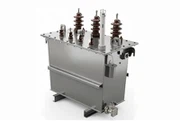
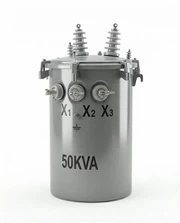
The primary distinction between the two lies in their cooling and insulation systems, which define nearly all other characteristics. Dry-type transformers use air as the cooling medium and rely on solid insulation materials like epoxy resin. This eliminates flammable liquids entirely, making them inherently safer in enclosed or populated areas. Their construction typically results in larger physical footprints and slightly higher noise levels, but they require minimal ongoing maintenance. In contrast, oil-immersed transformers use mineral or synthetic oil for both cooling and insulation. The oil's high thermal conductivity allows for efficient heat dissipation, enabling these transformers to handle higher power densities in a more compact size. The oil also dampens noise and vibration, making them quieter in operation. However, the flammability of oil introduces safety and environmental considerations that require careful management, such as fire suppression systems and spill containment measures.

Dry-type transformers are the clear choice when safety, low maintenance, and environmental compliance are non-negotiable priorities. They are ideal for indoor and urban installations like hospitals, schools, commercial buildings, data centers, and residential complexes. Without flammable oil, there is no risk of leaks, fires, or soil contamination, allowing them to be installed closer to the load and reducing distribution losses. They also excel in high fire-risk and sensitive environments, such as chemical plants, refineries, and enclosed substations, thanks to their self-extinguishing properties. Additionally, since there is no oil to test, filter, or replace, dry-type transformers are perfect for locations where regular maintenance is difficult or costly to perform. While they have a higher upfront cost, their reduced operational and maintenance costs often make them more economical over the lifecycle, especially in urban settings.
Oil-immersed transformers remain the industry standard for heavy-duty, outdoor, and cost-sensitive applications. Utility grids, power plants, and large industrial sites rely on them for their superior cooling efficiency, which allows them to handle very high kVA ratings in a compact footprint. Their proven durability and ability to operate in extreme temperatures also make them ideal for remote and rural installations where access to specialized maintenance is limited. For projects where the initial budget is a primary concern, oil-immersed transformers offer a lower upfront cost compared to dry-type alternatives. The tradeoff is higher long-term maintenance costs, including regular oil testing, filtration, and leak inspections, as well as the need for fire suppression systems and containment measures to mitigate environmental risks.
The choice ultimately comes down to your project's specific requirements. By carefully weighing location, safety regulations, maintenance capabilities, and budget priorities against the strengths and weaknesses of each technology, you can select the transformer that will ensure a safe, reliable, and cost-effective power supply for years to come.