What Is A Power Transformer And How Does It Work?
May 20, 2026
What Is a Power Transformer and How Does It Work?
Power transformers play a critical role in modern electrical systems by transferring electrical energy between circuits and adjusting voltage levels for efficient power transmission and distribution. Without transformers, electricity generated at power plants could not be delivered safely and efficiently to homes, factories, commercial buildings, and infrastructure projects.
As global electricity demand continues to grow, power transformers remain one of the most important components in the energy industry. Understanding what a power transformer is and how it works can help businesses, engineers, and buyers make better decisions when selecting electrical equipment.
What Is a Power Transformer?
A power transformer is an electrical device used to transfer electrical energy from one circuit to another through electromagnetic induction. Its primary function is to increase (step up) or decrease (step down) voltage levels during electricity transmission.
For example, electricity generated at a power plant may initially have a relatively low voltage. A step-up transformer increases the voltage so electricity can travel long distances with lower energy loss. When electricity reaches cities, factories, or residential areas, step-down transformers reduce the voltage to safer levels for end users.
Power transformers are commonly used in:
Power generation plants
Transmission substations
Distribution networks
Industrial facilities
Renewable energy projects
Commercial buildings
Railway systems
They are essential for maintaining stable and efficient power delivery.
Main Components of a Power Transformer
A power transformer consists of several important parts that work together.
Core
The transformer core is usually made of laminated silicon steel sheets. It provides a path for magnetic flux and helps reduce energy loss.
Windings
Transformers typically have two sets of windings:
Primary winding
Secondary winding
These windings are usually made of copper or aluminum and are responsible for transferring electrical energy.
Insulation System
Insulation materials protect transformer components from electrical faults and ensure safe operation.
Transformer Oil
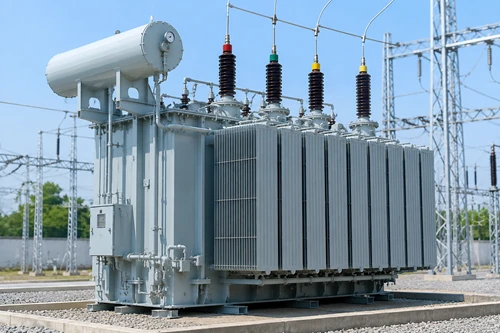
In oil immersed transformers, transformer oil provides both cooling and insulation functions.
Cooling System
Large transformers generate significant heat, so cooling systems help maintain proper operating temperatures.
Tank
The transformer tank protects internal components and stores insulating oil.
How Does a Power Transformer Work?
The working principle of a power transformer is based on electromagnetic induction, which was discovered by Michael Faraday.
When alternating current (AC) flows through the primary winding, it creates a magnetic field in the transformer core.
This magnetic field then induces voltage in the secondary winding.
\frac{V_p}{V_s}=\frac{N_p}{N_s}
Where:
Vp = Primary voltage
Vs = Secondary voltage
Np = Number of turns in the primary winding
Ns = Number of turns in the secondary winding
If the secondary winding has more turns than the primary winding, the transformer increases voltage.
If the secondary winding has fewer turns, the transformer decreases voltage.
This process allows electricity to be transmitted efficiently across long distances.
Types of Power Transformers
There are several common types of power transformers:
Oil Immersed Transformers
These transformers use insulating oil for cooling and insulation. They are widely used in outdoor and large-capacity applications.
Dry Type Transformers
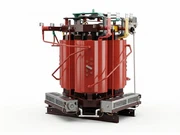
These transformers use air cooling and are often installed indoors.
Pad Mounted Transformers
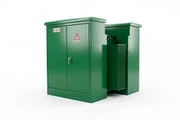
Commonly used in residential communities and commercial projects.
Compact Substations
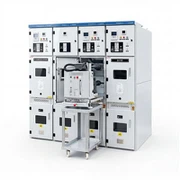
These combine transformers and switchgear into one compact unit.
Large Power Transformers
Used in national grid and large industrial projects.
Advantages of Power Transformers
Power transformers offer many benefits:
Improve transmission efficiency
Reduce energy losses
Support long-distance electricity transmission
Provide voltage stability
Enable large-scale industrial operations
Support renewable energy integration
Why Power Transformers Are Important Today
In 2026, demand for power transformers continues growing because of:
Renewable energy expansion
Smart grid development
Industrial growth
Urban infrastructure projects
Data center expansion
Global electrification efforts
Countries worldwide are investing heavily in upgrading power systems.
Choosing the Right Transformer Supplier
When purchasing a power transformer, buyers should consider:
Product quality
Manufacturing experience
Certifications
Delivery time
Customization capabilities
After-sales service
Working with an experienced manufacturer helps ensure long-term reliability.
Conclusion
Power transformers are the backbone of modern electrical systems. They make it possible to transmit electricity efficiently from power plants to end users.
As global energy demand continues rising, power transformers will remain essential for supporting future infrastructure, industrial growth, and renewable energy development.