Why Do Transformer Prices Vary So Much?
May 18, 2026
When purchasing a transformer, many buyers notice that prices can vary significantly between suppliers-even for products with seemingly similar specifications. A 500kVA transformer from one manufacturer may cost much more or much less than another. So, what causes these price differences? Understanding the key factors behind transformer pricing can help buyers make smarter decisions and avoid choosing based on price alone.
1. Raw Material Quality
One of the biggest factors affecting transformer prices is the quality of raw materials. High-quality silicon steel is used for the transformer core to reduce energy loss and improve efficiency. Copper windings are generally more expensive than aluminum windings, but they offer better conductivity and durability. In addition, insulation materials, transformer oil, and steel tanks can also impact the final cost.
Manufacturers that use premium materials usually offer higher-priced products, but these transformers often perform better and last longer.
2. Transformer Type
Different types of transformers come with different price ranges. For example:
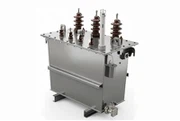
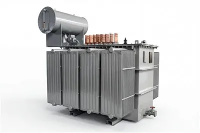
Oil-immersed transformers are commonly used and are usually more cost-effective.
Dry-type transformers often cost more due to their advanced insulation systems.
Pad-mounted transformers and customized transformers may have higher prices because of specific design requirements.
The more specialized the transformer, the higher the manufacturing cost may be.


3. Energy Efficiency Standards
Energy-efficient transformers are becoming increasingly popular worldwide. Transformers that meet higher efficiency standards typically require better materials and more advanced manufacturing processes, which increases the price.
However, although the initial investment may be higher, energy-saving transformers can reduce electricity losses over time and lower long-term operating costs.
4. Customization Requirements
Standard transformers are generally less expensive because they are produced in larger quantities. Customized transformers may require special voltage ratings, capacity adjustments, unique cooling systems, or additional protection features.
These customized requirements increase engineering, production, and testing costs.
5. Testing and Quality Control
Reliable manufacturers invest heavily in product testing to ensure safety and performance. Routine tests, type tests, and third-party certifications all add to production costs.
While cheaper transformers may seem attractive, insufficient testing could lead to equipment failures and higher maintenance costs later.
6. Shipping and Logistics Costs
Transformers are heavy electrical products, and transportation costs can be significant-especially for international buyers. Shipping distance, packaging requirements, and import duties may all affect the final price.
7. Manufacturer Experience and Service
Established manufacturers often charge slightly higher prices because they provide better product reliability, technical support, faster delivery, and after-sales service.
For many buyers, paying a little more for dependable service can reduce risks in the long run.
Final Thoughts
Transformer prices vary because of materials, design, efficiency, customization, testing, logistics, and supplier capabilities. The cheapest option is not always the best choice. Buyers should focus on long-term value, product reliability, and supplier reputation when selecting a transformer partner.
Choosing the right transformer is not just about saving money today-it's about ensuring reliable power for years to come.