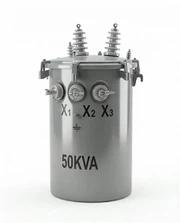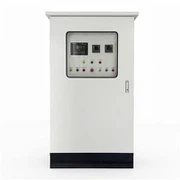
The main types of power transformers are:
Mar 05, 2026
A. Desiccant (Silicone Shell): Contains silica gel. The insulating oil in the oil conservator (oil pillow) is connected to the atmosphere through the desiccant. The desiccant absorbs moisture and impurities from the air to maintain the good insulation performance of the transformer's internal windings. Discoloration or deterioration of the silica gel can easily cause blockage.
B. Oil Level Gauge: Reflects the transformer's oil level, generally around +20°C. If it's too high, drain the oil; if it's too low, add oil. In winter, when the temperature is low and the load is light, the oil level change is minimal, or it may drop slightly. In summer, when the load is heavy, the oil temperature rises, and the oil level also rises slightly; both are normal.
C. Oil Pillow: Regulates the oil level in the tank and prevents the transformer oil from oxidizing too quickly. It has a filler hole at the top.
D. Explosion-proof Pipe: Prevents the risk of explosion caused by a sudden increase in pressure inside the tank due to an accident.
E. Signal Thermometer: Monitors the transformer's operating temperature and sends a signal. It indicates the temperature of the upper layer of oil in the transformer. The transformer coil temperature should be 10°C higher than the upper layer of oil. The national standard stipulates that the limit operating temperature of transformer windings is 105℃ (i.e., when the ambient temperature is 40℃), and the upper layer temperature should not exceed 95℃. It is usually advisable to set the monitoring temperature (upper layer oil temperature) at or below 85℃.