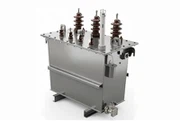
Inspection methods for power transformers
Mar 06, 2026
When all personnel are on duty at the substation, an inspection should be conducted once per shift. If no one is on duty, an inspection can be conducted weekly. Special inspections should be increased during periods of drastic load changes, abnormal weather, new installations, and after major transformer overhauls, with irregular intervals.
A. Check if the load current is within the rated range and if there are any drastic changes; check if the operating voltage is normal.
B. Check if the oil level, color, and temperature exceed allowable values; check for any oil leaks.
C. Check if the porcelain bushings are clean; check for cracks, damage, stains, and discharge phenomena; check for discoloration and overheating of the contact terminals.
D. Check if the silica gel in the desiccant is saturated; check if the transformer's operating sound is normal.
E. Check if there is air in the gas relay; check if it is filled with oil; check if the oil level gauge glass is cracked; check if the diaphragm of the explosion-proof pipe is intact.
F. Check if the transformer casing, surge arrester, and neutral point grounding are in good condition; check if the transformer oil valves are functioning properly.
G.Check if the doors, windows, louvers, wire mesh railings, and fire-fighting equipment in the transformer room are intact; check if the transformer foundation is deformed.