

What is the specific design requirements for a power transformer in a data center?
Aug 05, 2026
In the modern digital age, data centers serve as the backbone of global information technology infrastructure. These facilities house a vast array of servers, storage systems, and networking equipment, all of which require a stable and reliable power supply. Power transformers play a crucial role in ensuring that data centers receive the appropriate voltage levels for efficient operation. As a power transformer supplier, understanding the specific design requirements for power transformers in data centers is essential to meet the unique needs of these critical facilities.
1. Electrical Requirements
Voltage Regulation
Data center equipment typically operates within a narrow voltage range. Power transformers must be designed to provide precise voltage regulation to ensure the stability of the electrical supply. Fluctuations in voltage can cause malfunctions, data loss, and even damage to sensitive electronic components. Therefore, transformers should be capable of maintaining a constant output voltage, regardless of variations in the input voltage or load conditions.
For example, in a data center, servers may require a stable 480V or 208V supply. The transformer should be able to adjust its output voltage within a tolerance of ±1% to ±5%, depending on the specific requirements of the equipment. This can be achieved through the use of tap changers, which allow for manual or automatic adjustment of the transformer's turns ratio.
Load Capacity
Data centers have high power demands, and the power transformer must be sized appropriately to handle the load. The load capacity of a transformer is determined by its kVA (kilovolt - ampere) rating. When designing a transformer for a data center, it is important to consider both the current and future load requirements.
The load in a data center can vary significantly depending on factors such as the number of servers, storage systems, and cooling equipment. A transformer should be sized to handle the peak load, with some additional capacity to accommodate future growth. For instance, if a data center has an initial load of 500 kVA and is expected to grow by 20% over the next few years, a transformer with a rating of at least 600 kVA should be considered.
Efficiency
Energy efficiency is a major concern in data centers, as they consume large amounts of electricity. Power transformers contribute to the overall energy consumption of a data center, and therefore, high - efficiency transformers are essential. High - efficiency transformers reduce energy losses, which not only lowers operating costs but also helps to minimize the environmental impact.
Modern power transformers can achieve efficiencies of up to 98% or higher. This is achieved through the use of high - quality core materials, such as grain - oriented silicon steel, and advanced winding designs. For example, amorphous metal cores can be used to reduce core losses, while low - resistance copper windings can minimize copper losses.
2. Physical Requirements
Size and Space Constraints
Data centers often have limited space, and the power transformer must be designed to fit within the available footprint. Compact transformers are preferred, especially in smaller data centers or those located in urban areas where space is at a premium.
The size of a transformer is determined by its kVA rating, voltage levels, and cooling requirements. For example, a 110 - 220kV power transformer may be larger and heavier than a 35 - 66kV power transformer. When selecting a transformer, it is important to consider the physical dimensions and weight to ensure that it can be installed and maintained in the data center. You can find more information about 35 - 66kV Oil Immersed Transformers and 35 - 66kV Power Transformer on our website.
Cooling
Power transformers generate heat during operation, and effective cooling is essential to prevent overheating and ensure reliable performance. There are several cooling methods available, including air - cooled, oil - cooled, and water - cooled systems.
In data centers, oil - cooled transformers are commonly used due to their high heat dissipation capacity. Oil - cooled transformers use mineral oil as a coolant, which is circulated through the transformer to remove heat. The oil is then cooled in an external radiator. Water - cooled systems can also be used in large data centers, where the heat can be removed more efficiently. For larger voltage requirements, 110 - 220kV Power Transformer may require more advanced cooling solutions.
Noise Level
Noise can be a significant issue in data centers, especially in areas where personnel are present. Power transformers can generate noise during operation, mainly due to the magnetic core and the cooling fans. Transformers should be designed to minimize noise levels to ensure a comfortable working environment.
Low - noise transformers can be achieved through the use of special core materials and improved winding designs. Additionally, the installation of sound - insulating enclosures can further reduce noise levels.
3. Safety and Reliability Requirements
Fire and Explosion Protection
Data centers house a large amount of valuable equipment, and fire and explosion protection is of utmost importance. Power transformers should be designed with safety features to prevent the spread of fire and minimize the risk of explosion.
Oil - filled transformers are equipped with fire - resistant materials and pressure - relief devices. In the event of a fault, the pressure - relief device can release excess pressure to prevent the transformer from exploding. Additionally, fire - suppression systems can be installed in the transformer room to quickly extinguish any fires.
Fault Tolerance
Data centers require a high level of reliability, and power transformers should be designed to tolerate faults and continue operating without significant disruption. Fault tolerance can be achieved through the use of redundant transformers and protective relays.

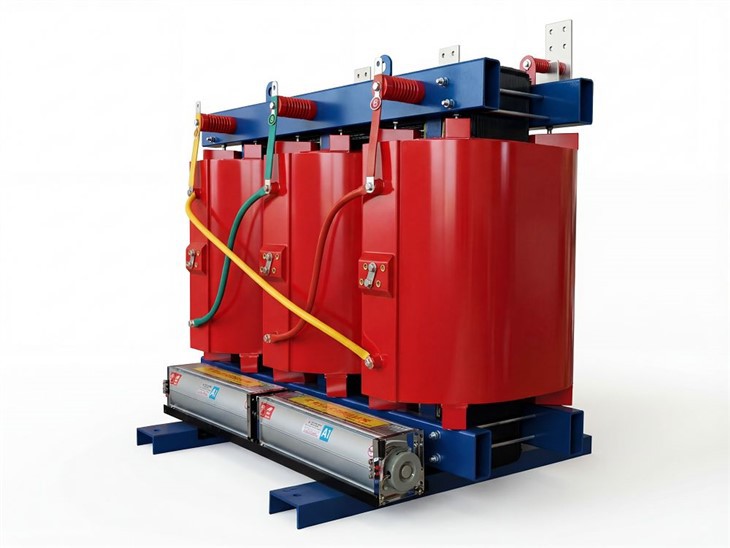
Redundant transformers can be installed in parallel to provide backup power in case of a failure. Protective relays can detect faults in the transformer and quickly isolate the faulty section to prevent further damage.
Monitoring and Maintenance
Regular monitoring and maintenance are essential to ensure the long - term reliability of power transformers. Transformers should be equipped with sensors to monitor parameters such as temperature, voltage, and current. These sensors can provide real - time data, which can be used to detect potential problems and schedule maintenance.
Maintenance tasks may include oil sampling, insulation resistance testing, and visual inspections. By performing regular maintenance, the lifespan of the transformer can be extended, and the risk of unexpected failures can be reduced.
4. Environmental Requirements
Environmental Impact
As the world becomes more environmentally conscious, data centers are also looking for ways to reduce their environmental impact. Power transformers should be designed to minimize energy consumption and use environmentally friendly materials.
For example, the use of biodegradable oils in oil - filled transformers can reduce the environmental impact in case of a leak. Additionally, the design of the transformer should be optimized to reduce energy losses, which helps to lower greenhouse gas emissions.
Compliance with Regulations
Power transformers must comply with various national and international regulations, such as safety standards and environmental regulations. These regulations ensure that the transformers are safe to use and have a minimal impact on the environment.
When designing a power transformer for a data center, it is important to ensure that the transformer meets all relevant regulations. This may involve using approved materials, following specific design guidelines, and obtaining the necessary certifications.
Conclusion
In conclusion, the design of power transformers for data centers requires careful consideration of electrical, physical, safety, and environmental requirements. As a power transformer supplier, we understand the unique needs of data centers and are committed to providing high - quality transformers that meet these requirements. Our 35 - 66kV Oil Immersed Transformers, 35 - 66kV Power Transformer, and 110 - 220kV Power Transformer are designed to provide reliable and efficient power supply for data centers.
If you are in the process of building or upgrading a data center and are looking for a power transformer solution, we invite you to contact us for a detailed discussion. Our team of experts can help you select the right transformer for your specific needs and provide you with comprehensive support throughout the installation and maintenance process.
References
- IEEE Standards Association. IEEE Standards for Power Transformers.
- International Electrotechnical Commission (IEC). IEC Standards for Electrical Equipment in Data Centers.
- ASHRAE. ASHRAE Guidelines for Data Center Energy Efficiency.